Déploiement
DevOpsDéploiement
Comment automatiser les déploiements ?
Comment automatiser les déploiements ?
→ Reproductibilité
→ Configuration-as-Code
→ Infrastructure-as-Code
Infrastructure-as-Code
Infrastructure-as-Code
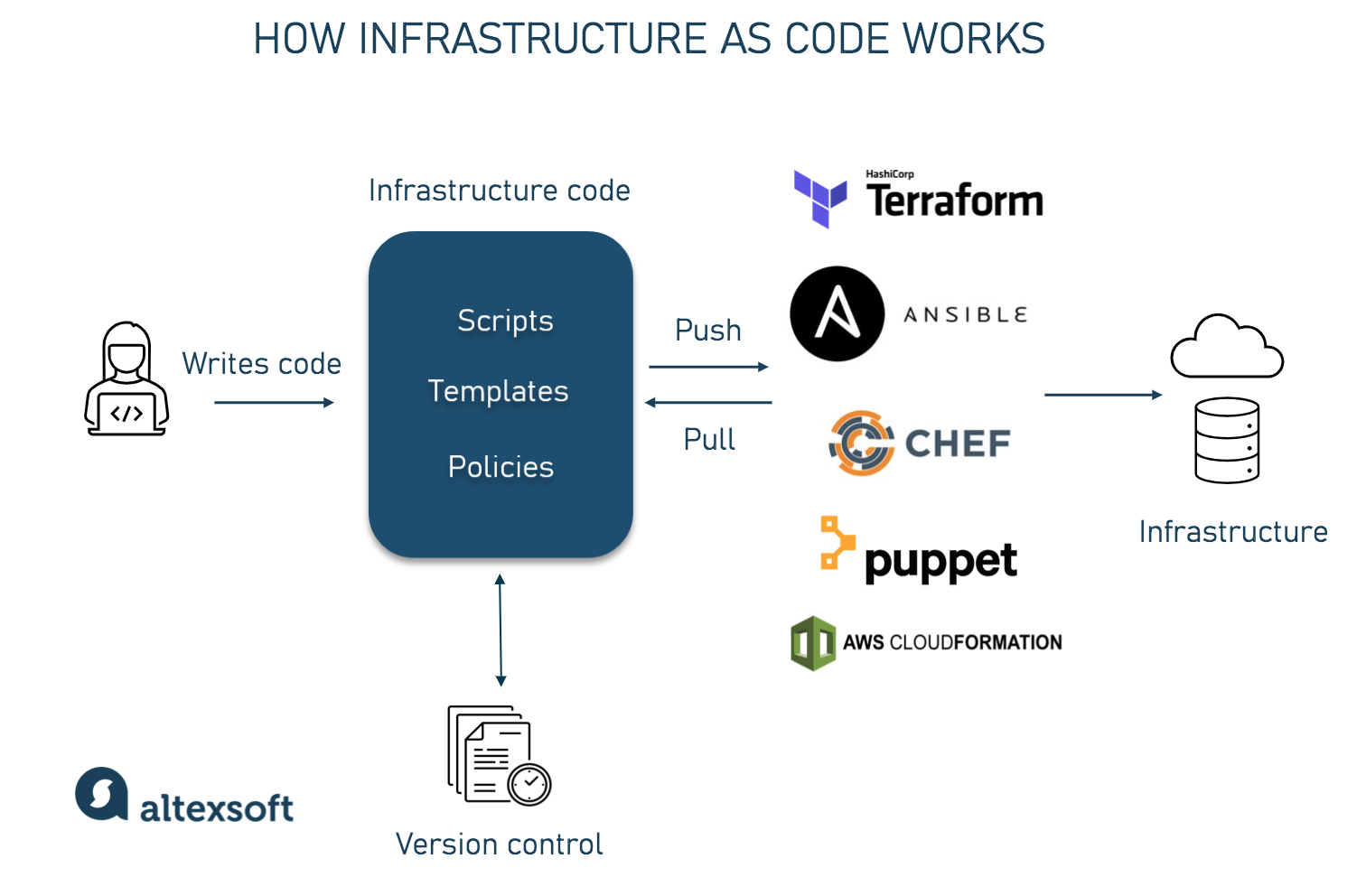
IaC
Définition de l'infrastructure dans des fichiers
Gestion de version des fichiers
Automatisation de la création de l'infrastructure
Reproductibilité et documentation
Redéploiement en cas de panne et rollback facilité
Idempotence : toujours le même résultat
Infrastructure-as-Code
Infrastructure-as-Code
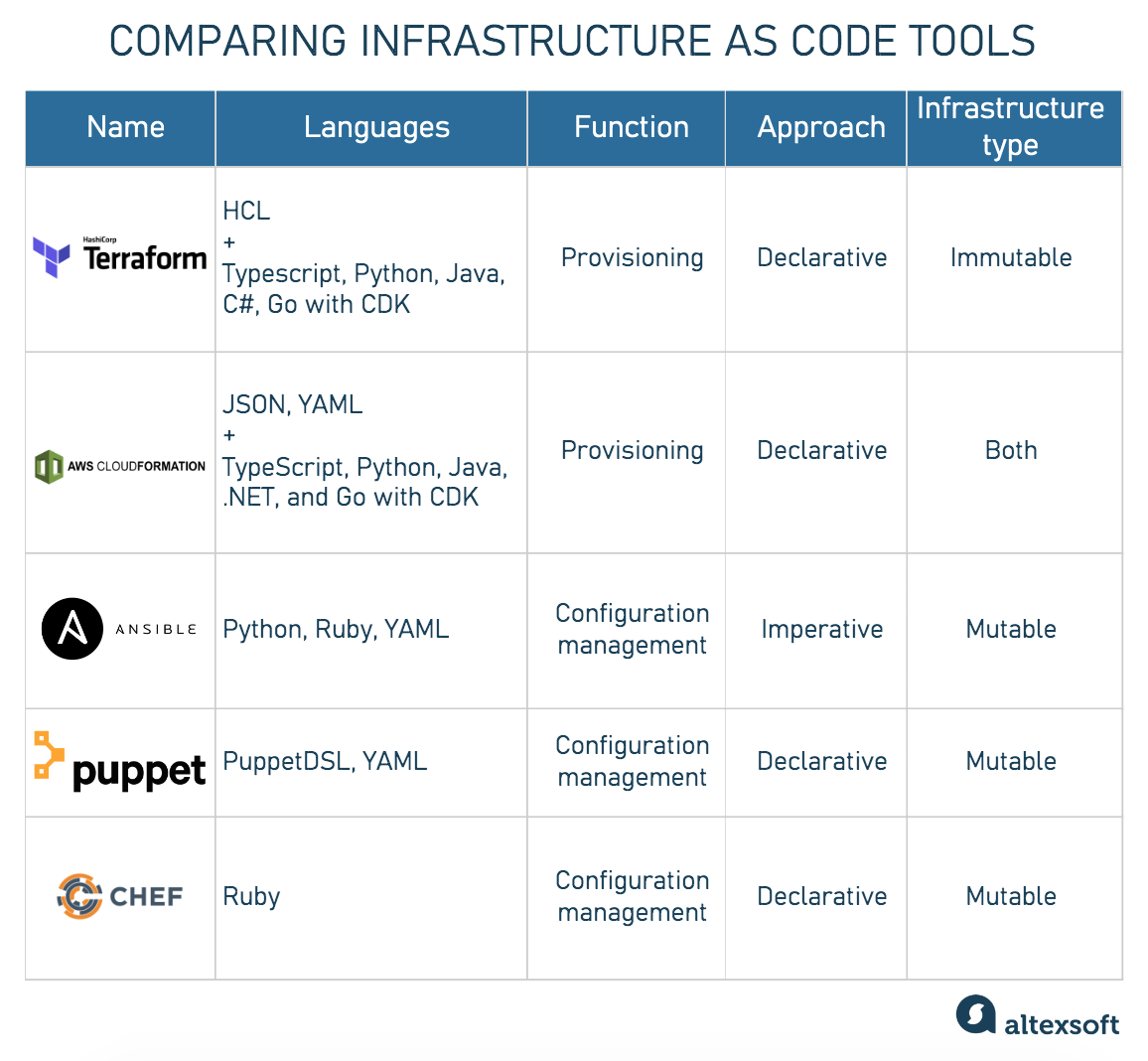
Déclaratif vs Impératif
Déclaratif vs Impératif
Déclarative
Décrire l'état final souhaité
Exemple : Kubernetes
Impérative
Décrire toutes les étapes
Exemple : Script, (Journal de bord)
Déclaratif vs Impératif
Déclaratif vs Impératif
Mise à jour
Mise à jour
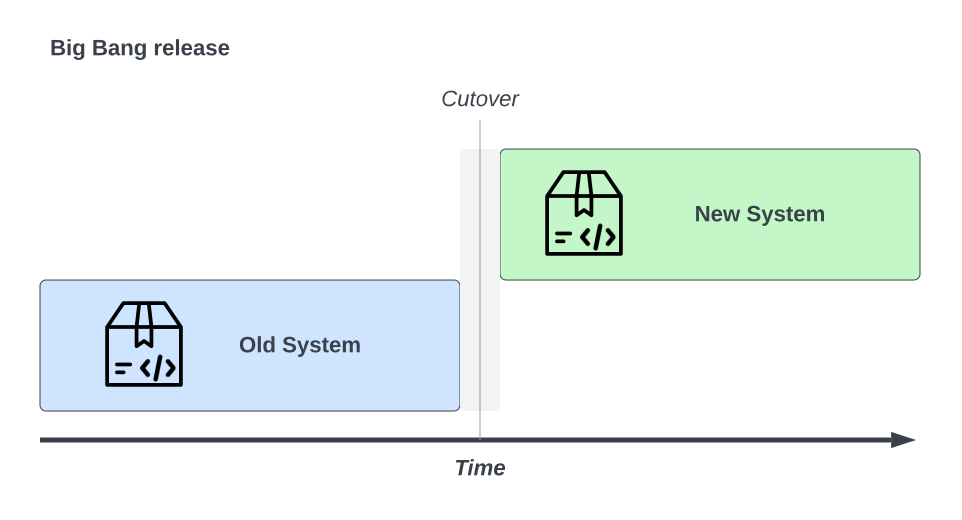
Big Bang
Big Bang
https://www.cncf.io/blog/2022/05/09/load-balancing-for-blue-green-rolling-and-canary-deployment/
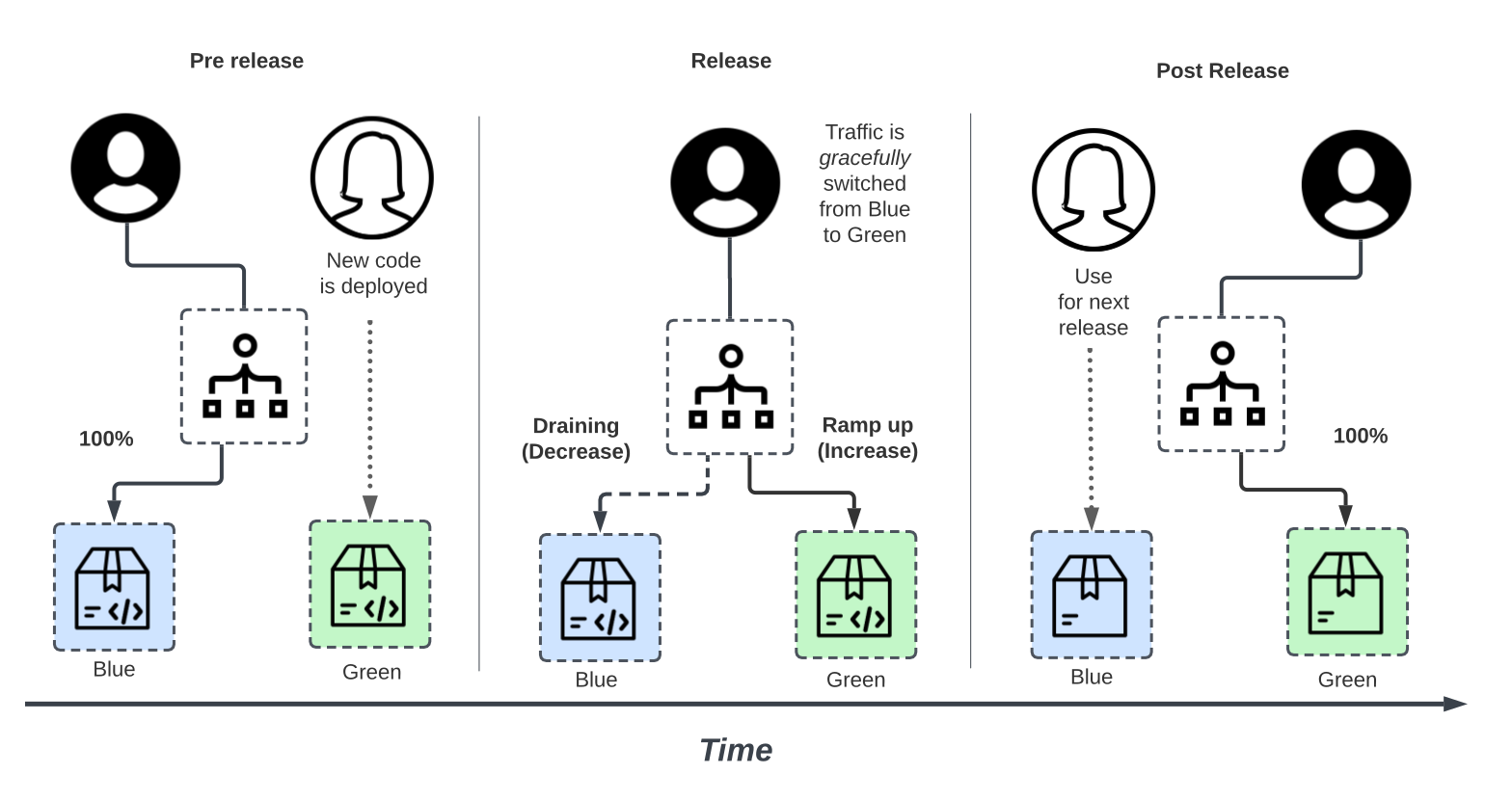
Blue-Green
Blue-Green
https://www.cncf.io/blog/2022/05/09/load-balancing-for-blue-green-rolling-and-canary-deployment/
Rolling / Phased
Rolling / Phased
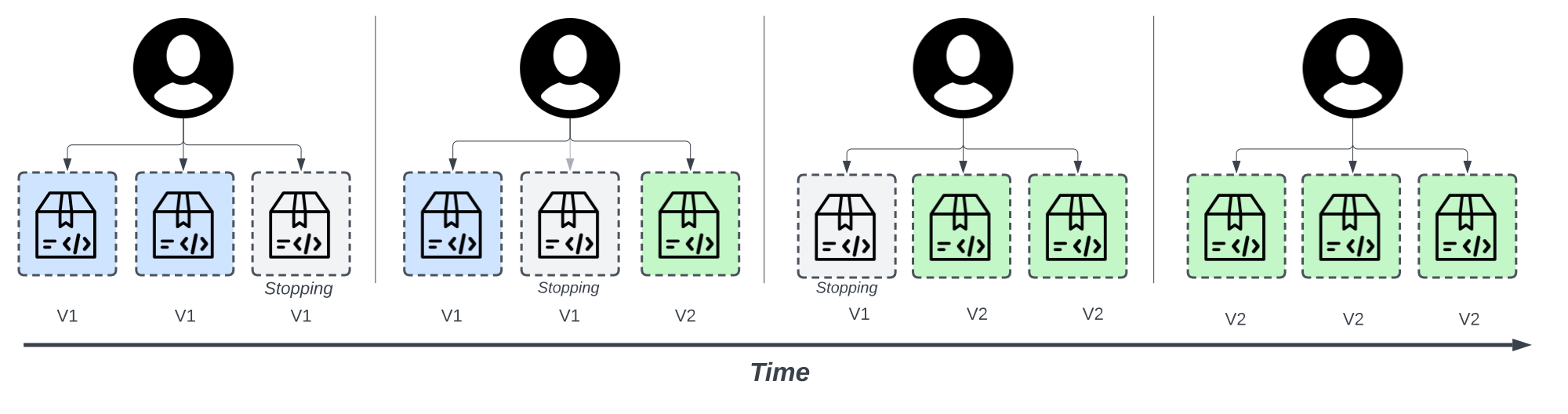
https://www.cncf.io/blog/2022/05/09/load-balancing-for-blue-green-rolling-and-canary-deployment/
Canary
Canary
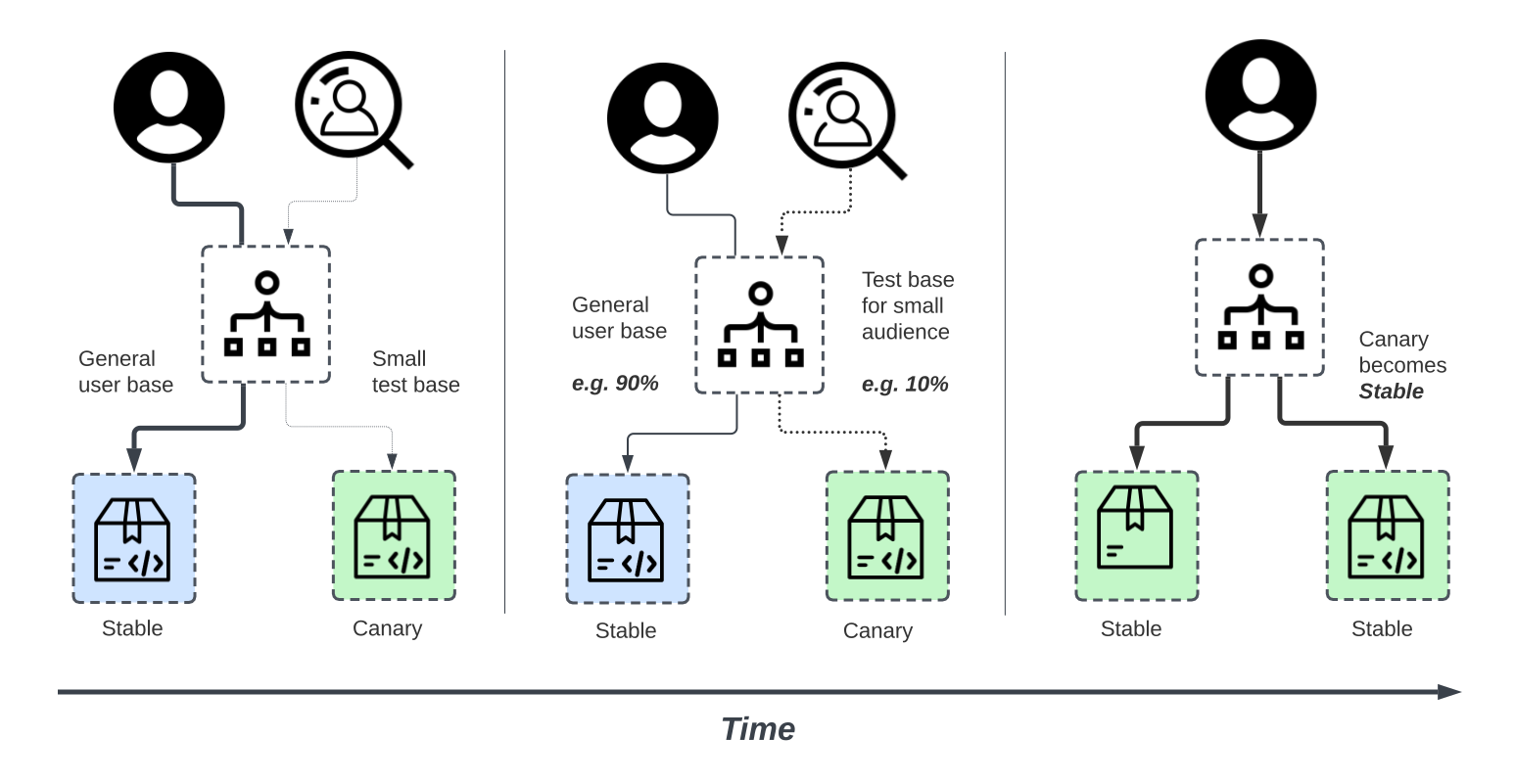
https://www.cncf.io/blog/2022/05/09/load-balancing-for-blue-green-rolling-and-canary-deployment/
Niveau de service
Niveau de service
SLA
Service Level Agreement
Accord avec le client
SLO
Service Level Objective
Objectif de qualité du service
SLI
Service Level Indicator
Indicateur des performance réelles
Niveau de service
Niveau de service
SLA = SLOs + conséquences
SLO = seuil d'un SLI
Exemple
SLO de 99.9% de disponibilité hebdomadaire
Au maximum 10 minutes de panne par semaine
SLA : pénalités de 100 CHF par minute de panne supplémentaire
SLI : Le temps de panne réellement mesuré